
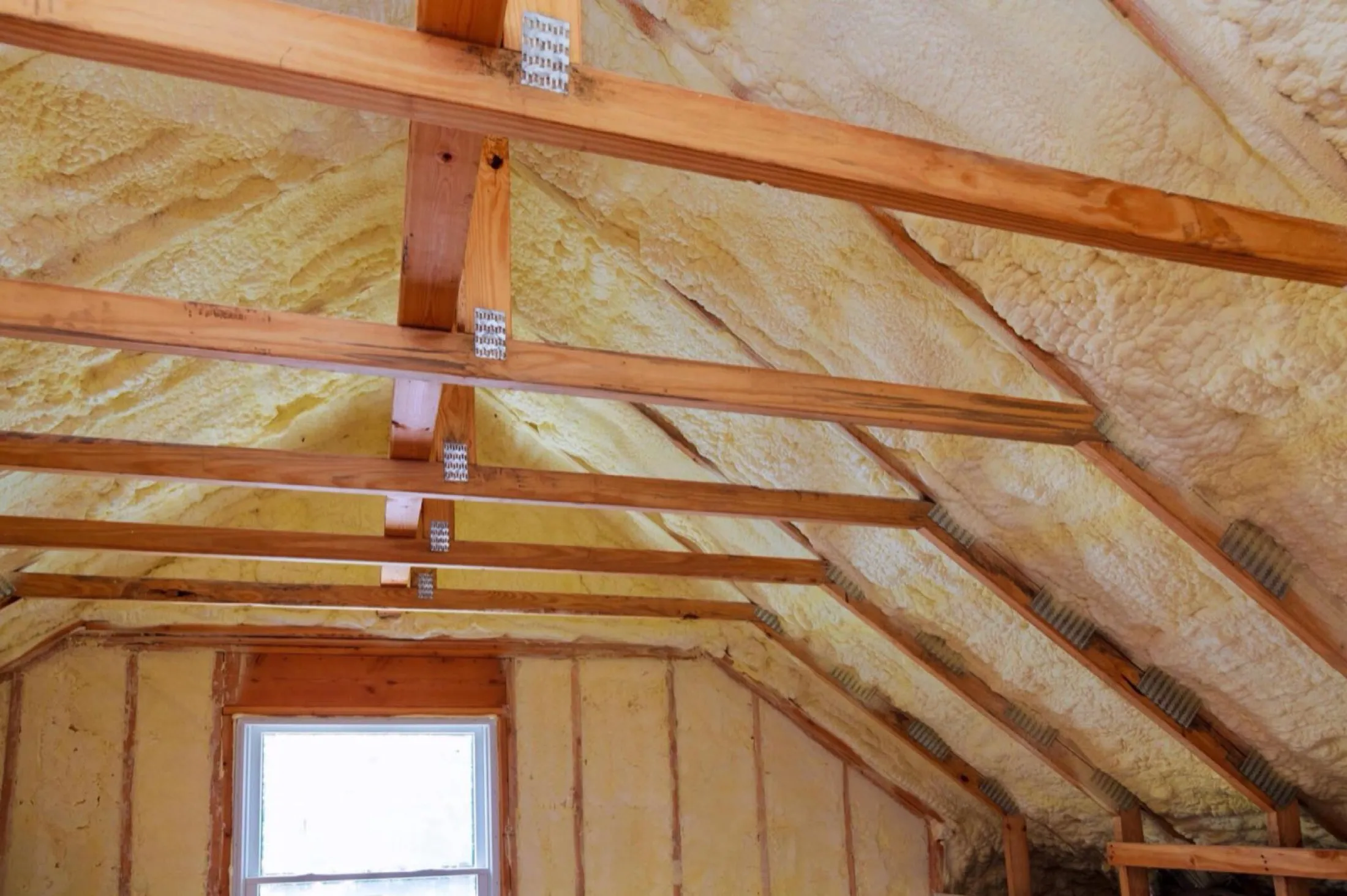
Fiberglass Insulation in Phoenix, AZ
Batt and blown fiberglass insulation for walls, ceilings and attics.
Fiberglass Insulation: Batts and Blown-In
Fiberglass remains the most widely installed insulation material in the country, and for good reason. It is cost effective, it is non combustible, it does not provide a food source for pests, and when it is installed properly it performs exactly as rated. The words doing the work in that sentence are installed properly.
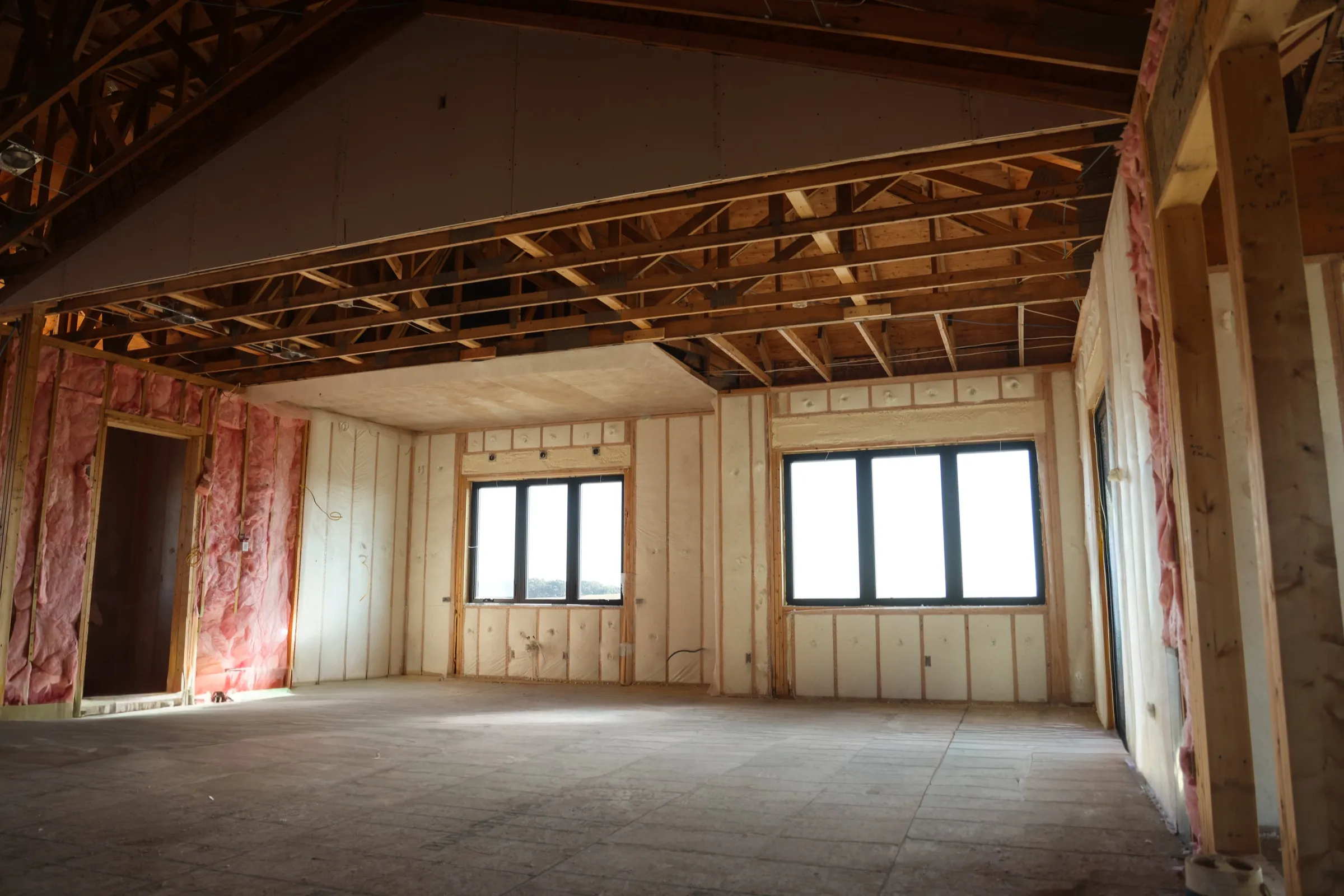
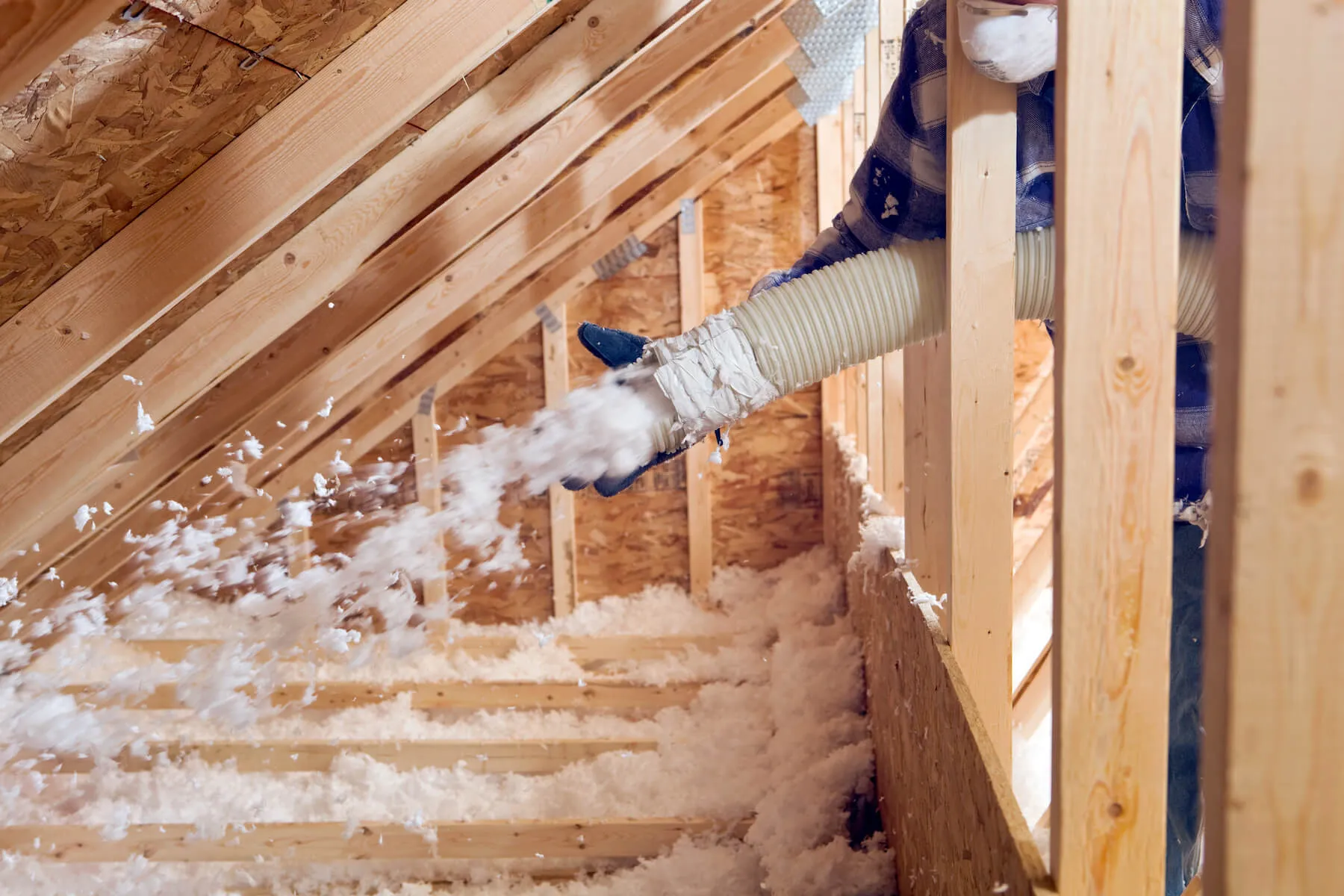
Desert Shield Spray Foam installs fiberglass in two forms. Batts and rolls go into framed cavities, in walls, floors and between ceiling joists. Blown loose fill goes into attics and into enclosed cavities that cannot be opened up.
Where Fiberglass Is the Right Answer
Fiberglass is the sensible choice when the cavity is regular, accessible and easy to fill completely, when the budget matters, and when the assembly does not need an air seal built into the insulation itself. A standard vented attic floor over a house with no ductwork up there is a good example. So is a straightforward stud bay in a remodel.
It is the wrong choice where the real problem is air movement rather than conduction. Fiberglass slows heat, but air passes through it. If the assembly leaks, fiberglass alone will not stop that, and this is where a lot of disappointing insulation jobs come from.
Installation Quality Is the Whole Story
A batt that is compressed to fit, cut short, or forced around wiring and plumbing loses a meaningful part of its rated performance. Gaps at the edges matter more than most people expect. Blown material has to go in to a consistent, verified depth across the whole area, including the awkward parts near the eaves where it is tempting to stop.
We install to the rated depth across the full area, we cut batts to fit rather than compressing them, and we split them around obstructions instead of stuffing them past. It is unglamorous work and it is the difference between the number on the bag and the performance in the building.
Combining Fiberglass with Air Sealing
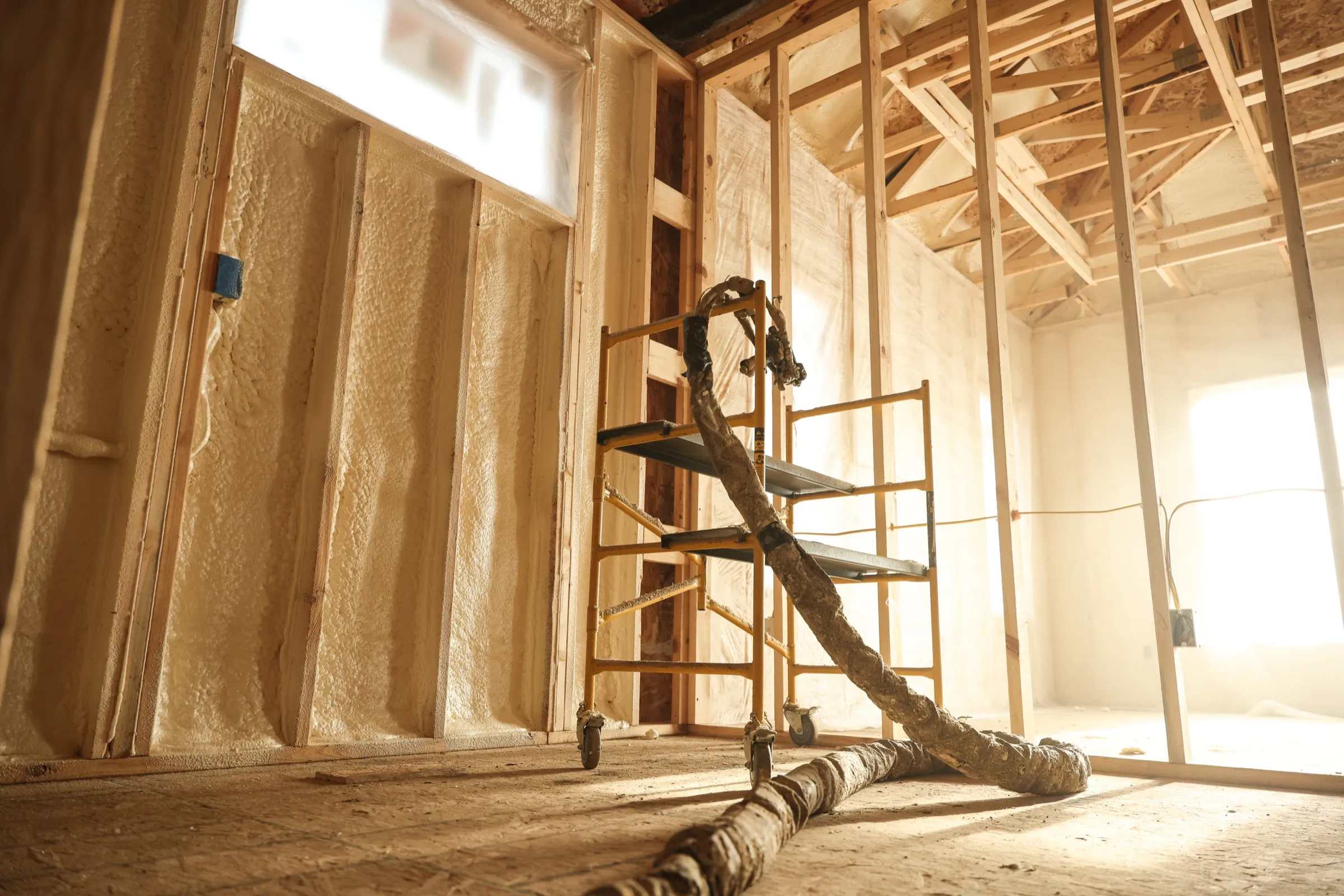
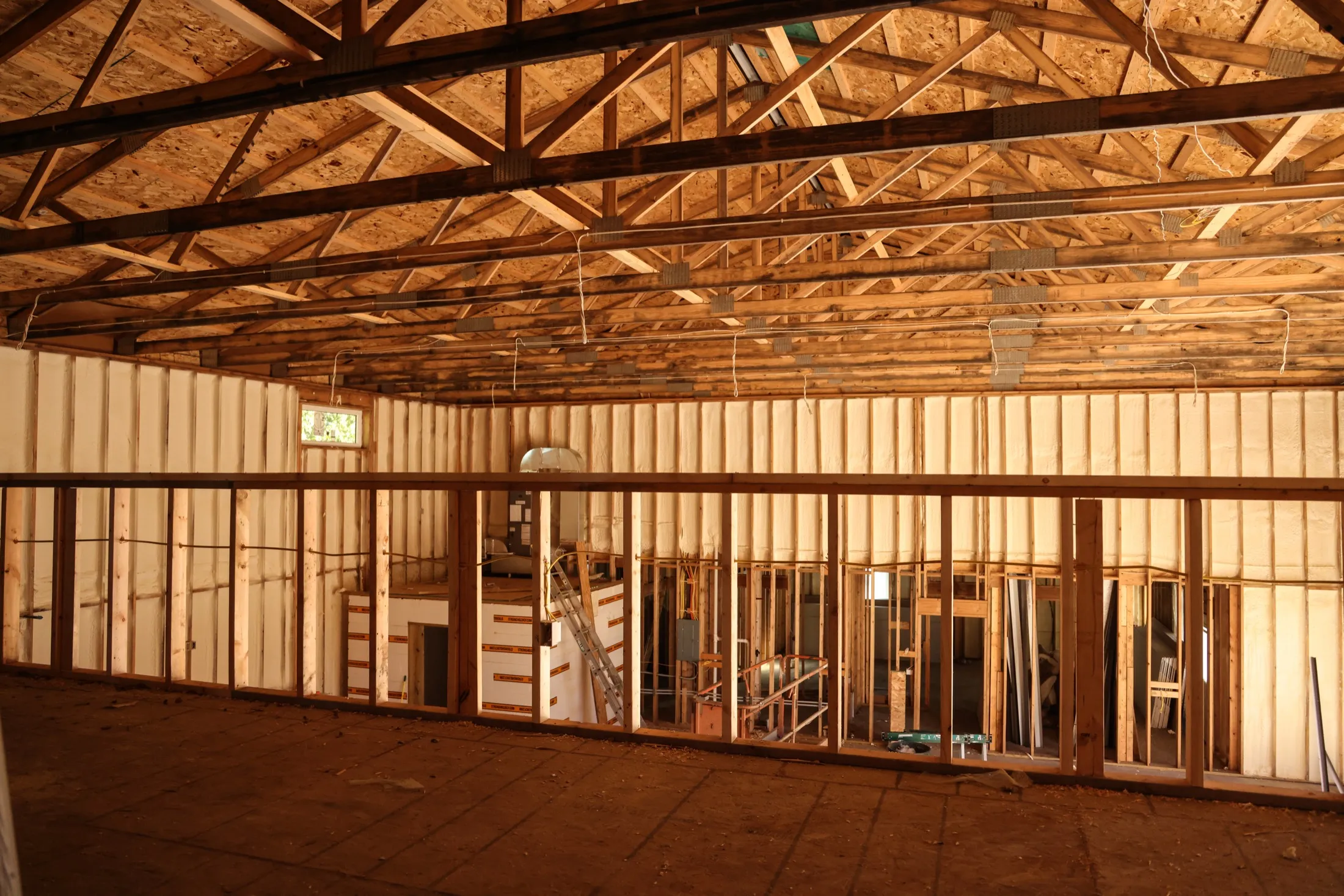
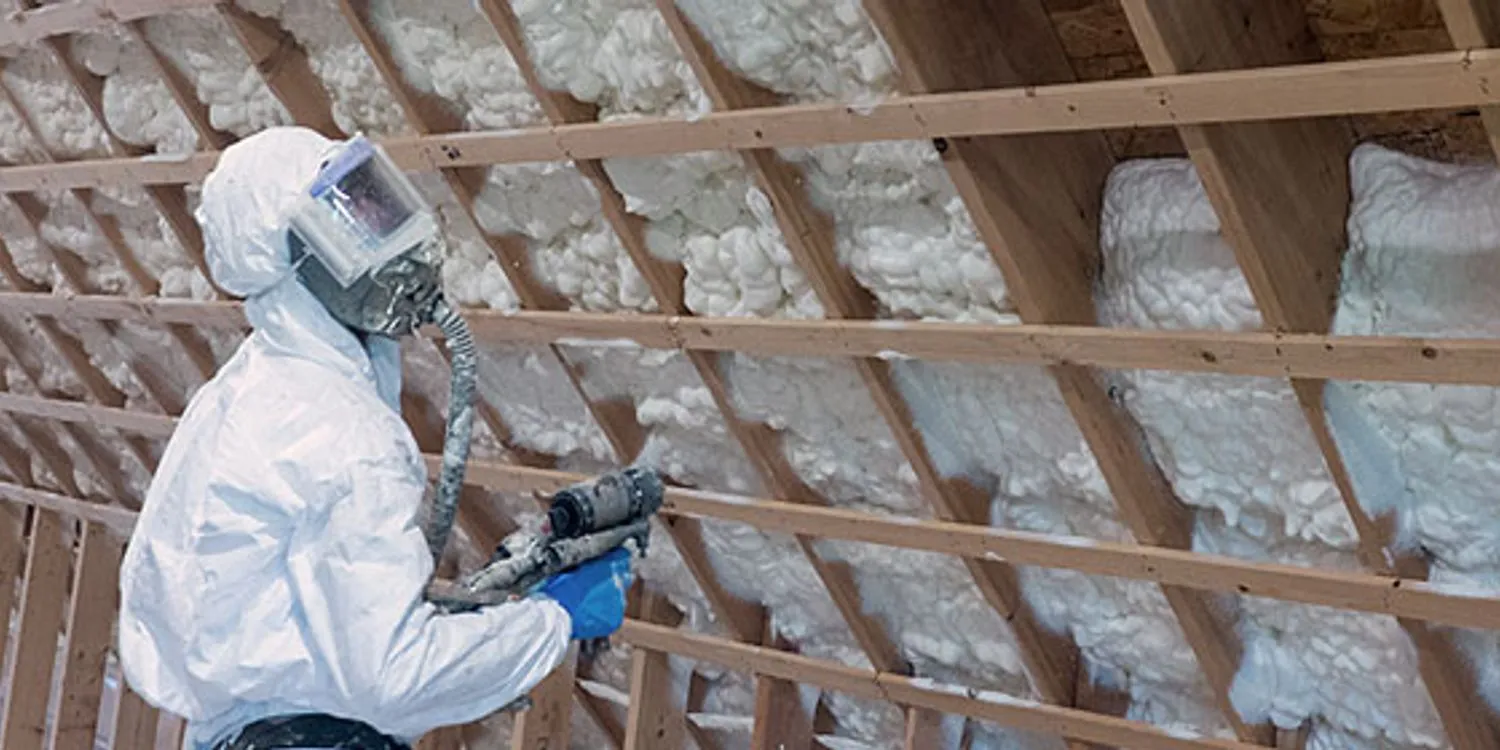
Fiberglass and spray foam are not rivals. A common and cost effective specification is to air seal the penetrations and the top plate line first, then blow fiberglass over the top. You get the air control where it counts and the thermal resistance at a lower cost per inch than foam across the whole area.
If you are unsure which approach suits your building, call Desert Shield Spray Foam and we will look at it and tell you.
Recent Phoenix-Area Projects
Other Insulation Services
Common Questions
Is fiberglass insulation a good fit for Phoenix-area buildings?
Yes. Fiberglass Insulation works well for many Phoenix-area homes and commercial buildings, but the right choice depends on the space, the assembly and how it is used. During a free estimate we confirm whether fiberglass insulation or another option fits your building.
How much does fiberglass insulation cost?
Cost depends on the area being treated, the material and thickness, access and prep. Estimates are free and given in writing, so you know the price before any work begins.
How long does a fiberglass insulation project take?
Most projects are completed quickly once scheduled. Your written estimate includes the expected timeline for your specific Phoenix-area project.
Want to Know What Your Project Would Cost?
Tell us about the property and we'll help you determine the next step.
Free Written Estimates • No Obligation • Local Phoenix Team